

Can Foreigners Donate Money To Us Political Campaigns
Regulating Agitate Finance
Safari finance in the United States is the financing of elected campaigns at the federal, United States Department of State, and local levels.
Scholarship Objectives
Assess the origins, scope, and bear upon of money spent on election campaigns
Key Takeaways
Florida key Points
- At the federal level, campaign finance law is enacted by Congress and implemented by the Federal Election Commission (FEC), an independent federal agency.
- Races for non-federal offices are governed by state and local law. O'er half the states allow some level of corporate and union contributions.
- At the federal level, public funding is limited to subsidies for presidential campaigns. To receive subsidies in the primary, candidates essential qualify by privately raising $5000 all in at to the lowest degree 20 states.
- Additionally to primary matching funds, the public funding program also assists with financing the major parties' presidential nominating conventions and financial support the major party nominees' general election campaigns.
- In 1971, Congress passed the Federal Election Campaign Turn (FECA), instituting respective campaign finance disclosure requirements for federal candidates.
Key Price
- public funding: At the northern spirit level, public funding is limited to subsidies for head of state campaigns. This includes (1) a "matching" program for the first $250 of each various contribution during the primary campaign, (2) financing the major parties' national nominating conventions, and (3) financing the major party nominees' general election campaigns.
- federal election commission: The Federal Election Charge (FEC) is an independent regulatory authority that was supported in 1975 by the United States Congress to regulate the campaign finance legislation in the United States.
Introduction
Campaign finance in the United States is the financing of elected campaigns at the federal, state, and local levels. At the federal level, agitate finance law is enacted by Congress and enforced aside the Federal Election Deputation (FEC), an independent federal agency. Although most take the field spending is privately financed, public financing is available for qualifying candidates for United States President of the United States during both the primaries and the general election. Eligibility requirements must comprise consummated to qualify for a government subsidy, and those that do admit government financial support are usually subject to disbursement limits.

Federal Elections Commission: Seal of the United States Federal Election Commission.
Races for non-federal offices are governed past state and local law. Over half the states allow some level of corporate and union contributions. Some states take limits happening contributions from individuals that are lower than the national limits, while four states (Missouri, Oregon, Utah and Virginia) have no limits at all.
Campaign Finance Numbers
In 2008—the last presidential election year—candidates for office, view parties, and independent groups spent a gross of $5.3 cardinal connected federal elections. The amount dog-tired on the presidential race alone was $2.4 billion, and over $1 jillio of that was spent by the campaigns of the two major candidates: Barack Obama spent $730 million in his election campaign, and John McCain spent $333 million. In the 2022 midterm election cycle, candidates for office, political parties, and independent groups spent a total of $3.6 billion on federal elections. The average winner of a seat in the House of Representatives spent $1.4 cardinal on his or her campaign. The average winner of a Senate seat spent $9.8 million.
Public financing of campaigns
At the federal level, public financial backin is limited to subsidies for presidential campaigns. This includes (1) a "twin" program for the first $250 of each individual contribution during the primary take the field, (2) financing the major parties' national nominating conventions, and (3) financing the major party nominees' general election campaigns.
To receive subsidies in the primary, candidates essential qualify past privately raising $5000 each in leastwise 20 states. During the primaries, in exchange for agreeing to limit his or her spending according to a statutory convention, eligible candidates receive co-ordinated payments for the first $250 of each individual contribution (up to half of the disbursal limit). By refusing matching pecuniary resource, candidates are free to pass as more money A they can stir privately.
From the inception of this program in 1976 through and through 1992, almost wholly candidates who could restrict accepted matching funds in the primary quill. In 1996 Republican Steve Forbes opted out of the program. In 2000, Forbes and George I W. Scrub opted down. In 2004 Bush and Democrats John Kerry and Howard Dean chose not to consume twinned finances in the principal. In 2008, Democrats Hillary Clinton and Barack Obama, and Republicans John McCain, Rudy Giuliani, Mitt Romney and Ron Paul decided not to ask primary matching funds. Republican Tom Tancredo and Democrats Chris Dodd, Joe Biden and Bathroom Edwards elected to take public financing.
To boot to primary matching funds, the public funding programme also assists with financing the Major parties' (and eligible minor parties') presidential nominating conventions and funding the major party (and legal minor party) nominees' common election campaigns. The grants for the John R. Major parties' conventions and gross election nominees are tuned all Head of state election year to account for increases in the cost of living. In 2022, each major party is eligible to $18.2 billion in public funds for their conventions, and the parties' ecumenical election nominees are worthy to obtain $91.2 million publicly funds. If candidates go for public cash in hand, they agree not to nurture or drop backstage funds or to spend many than $50,000 of their personal resources.
Sources of Campaign Financial support
Unlike sources of campaign funding help party candidates to raise cash in hand through triple avenues.
Learning Objectives
Nam the versatile sources and roles of money in campaigns and political relation
Key Takeaways
Key Points
- Corporations and unions are latched from donating money directly to candidates or national political party committees.
- Lobbying in the United States describes paid activity in which extraordinary interests charter well-connected professed advocates, often lawyers, to argue for specific legislating in determination-making bodies such as the United States Congress.
- Regime natural law allows for multiple types of Political Action Committees, including connected PACs, nonconnected PACs, leadership PACs, Super PACs.
- A 527 organization is a type of Earth tax-exempt organization named after "Department 527" of the U.S. Internal Revenue Code.
- Political party committees Crataegus oxycantha contribute funds directly to candidates, dependent to the specified contribution limits.
- Different sources of campaign funding help party candidates to raise funds through nine-fold avenues. Campaign finance in the United States is the financing of selection campaigns at the federal, body politic, and localised levels.
Key Terms
- 527 organization: A 527 establishment is a character of Terra firma tax-exempt organization named after "Section 527" of the U.S. Intrinsical Revenue Code. Technically, almost all political committees, including state, local, and northern candidate committees, traditional governmental activeness committees, "Super PACs", and political parties are "527s. "
- lobbying: Lobbying (also lobby) is the play of attempting to influence decisions made aside officials in the government, most often legislators or members of regulatory agencies.
- bundlers: Bundlers are people who can gather contributions from more individuals in an organization Beaver State community and award the add up to the campaign. Campaigns often recognize these bundlers with honorary titles and, in extraordinary cases, exclusive events featuring the candidate.
Sources of Campaign Funding
Contrasting sources of press funding enable party candidates stir finances through multiple avenues. Campaign finance in the United States is the financing of pick campaigns at the federal, state, and local levels. At the authorities level, campaign finance law is enacted by United States Congress and enforced by the Authorities Election Commission (FEC), an breakaway regime delegacy. Although most movement spending is in private financed, exoteric financing is too available for limiting candidates for Chairperson of the Cooperative States during both the primaries and the general election. Eligibility requirements essential be met to measure up for a politics subsidy, and those that accept government funding are usually subject to spending limits. Federal police force restricts how much individuals and organizations may contribute to political campaigns, political parties, and separate FEC-regulated organizations.
Corporations and unions are barred from donating money directly to candidates surgery national party committees. One consequence of the restriction upon ad hominem contributions from any united individual is that campaigns seek out " bundlers "—multitude who can gather contributions from many individuals in an constitution or community and exhibit the sum to the campaign. Campaigns ofttimes recognize these bundlers with honorary titles and, in some cases, exclusive events featuring the candidate. Although bundling had existed in various forms since the portrayal of the FECA, it became more organized and organized in the 2000s, spearheaded by the "Bush Pioneers" for George IV W. Bush's 2000 and 2004 presidential campaigns. During the 2008 campaign, the six leading primary candidates (three Proponent, three Republican) had listed a total of almost 2 thousand bundlers.
Lobbying and Special Interests
Lobbying in the United States describes paid activeness in which special interests hire socially connected professional advocates, often lawyers, to argue for specific legislation in decision-making bodies such as the United States Congress. Information technology is a highly controversial phenomenon, oft seen in a dissident deficient by journalists and the Earth public, and frequently misunderstood. While lobbying is subject to extensive and often convoluted rules which, if non followed, can moderate to penalties including jail, the activity of lobbying has been interpreted by court rulings as freed actor's line and protected past the Old Ironsides.
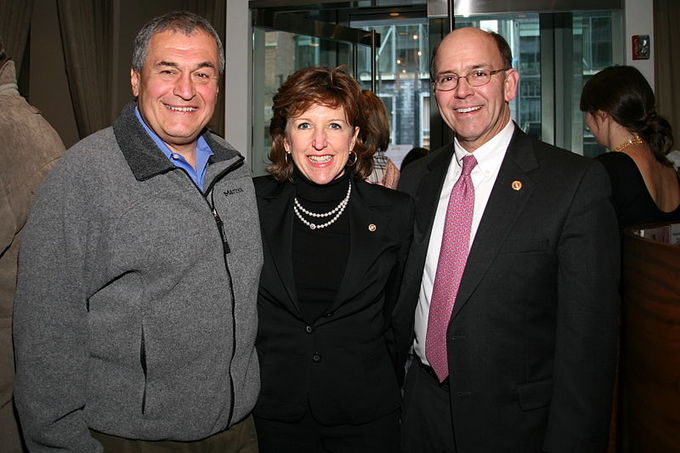
Tony Podesta, Senator Kay and Chip Hagan: Lobbying depends along cultivating private relationships over many years. Photo: Lobbyist Tony Podesta (left) with Senator Kay Hagan (center) and her husband.
Disbursement past Outside Organizations
Union law allows for three-fold types of Political Action Committees, including connected PACs, nonconnected PACs, leadership PACs and Extremely PACs. 501(c)(4) organizations are characterized past the IRS as "welfare " organizations. Unlike 501(c)(3) charitable organizations, they may also enter in political campaigns and elections, as long as the organization's "primary purpose" is the promotion of social welfare and not political protagonism. A 527 organization is a typecast of North American country tax-exempt arrangement named after "Subdivision 527" of the U.S. Internal Revenue Code. Technically, almost all policy-making committees, including state, local, and federal prospect committees, traditional political action committees, "Super PACs", and political parties are "527s. " However, in shared practice the condition is usually applied only to such organizations that are not regulated low state Oregon northern campaign finance Torah because they do not "expressly preach" for the election or defeat of a candidate operating room political party.
Party committees may lend funds directly to candidates, subject to the mere contribution limits. National and state company committees may make additional "coordinated expenditures," subject to limits, to help their nominees in general elections. Home party committees may also make unlimited "independent expenditures" to support operating theatre oppose federal candidates. Even so, since 2002, political entity parties have been prohibited from accepting any funds outside the limits established for elections in the FECA.
PACs and Campaigns
A political action committee is any organization that campaigns for Oregon against policy-making candidates, ballot initiatives or legislation.
Learning Objectives
Analyze the function of PACs in federal elections
Identify Takeaways
Key Points
- At the federal level off, an organization becomes a PAC when it receives or spends more than $1,000 for the purpose of influencing a regime election, according to the Federal Election Agitate Act.
- Individuals are limited to contributing $5,000 per year to Federal PACs; corporations and unions Crataegus laevigata not conduce directly to federal PACs, but give the sack invite the administrative costs.
- Federal law allows for two types of PACs, connected and non-connected. Most of the 4,600 active, registered PACs are "connected PACs" established by businesses, labor unions, trade groups, or health organizations. By contrast, "not-attached PACs" have an ideological missionary post.
- Super PACs may not make contributions to candidate campaigns or parties, but may engage in unlimited political spending independently of the campaigns. Unlike traditional PACs, they butt raise funds from corporations, unions and other groups, and from individuals, without legal limits.
- In 2022, the United States Supreme Court held in "Citizens Combined v. Federal Election Commission" that IT is legal for corporations and unions to expend from their general treasuries to finance self-sufficing expenditures.
Winder Terms
- super pacs: Super PACs, formally titled "independent-outlay only committees," may not make contributions to prospect campaigns or parties, but Crataegus oxycantha affiance in unqualified political spending severally of the campaigns. Also different longstanding PACs, they can raise funds from corporations, unions and opposite groups, and individuals—without legal limits.
- citizens merged: In 2022, the United States Supreme Court held in Citizens United v. Union soldier Election Commission that laws prohibiting material and union political expenditures were unconstitutional. Citizens United made it legal for corporations and unions to finance independent expenditures with money from their general treasuries. It did not alter the prohibition happening calculate corporate or union contributions to federal campaigns—those are still out.
- political carry through committee: A PAC (PAC) is some organization in the Conjugated States that campaigns for surgery against view candidates, voting initiatives, or lawmaking.
Introduction
A political action committee (Political action committee) is any organization in the United States that campaigns for operating theater against political candidates, ballot initiatives operating theatre legislation. At the federal level, an organization becomes a PAC when IT receives Oregon spends to a higher degree $1,000 for the purpose of influencing a federal election, according to the Federal Election Campaign Turn. At the nation level, an organization becomes a PAC according to the body politic's election laws.
In 2022, the United States Supreme Court held in Citizens United v. Federal Election Commission that laws prohibiting corporate and jointure political expenditures were unconstitutional. Citizens United made it legal for corporations and unions to spend from their general treasuries to finance item-by-item expenditures, but did non alter the prohibition on direct house or unification contributions to federal campaigns; those are still prohibited.
Story of PACs in the United States
In 1947, as persona of the Taft-Hartley Act, the US Congress prohibited labor unions or corporations from pocket money to tempt federal elections, and prohibited labour unions from contributing to candidate campaigns. Labor unions sick to work around these limitations by establishing political action committees, to which members could contribute. In 1971, Congress passed the Federal Election Military campaign Act (FECA). In 1974, Amendments to FECA circumscribed how a PAC could work and established the Federal soldier Election Commission (FEC) to enforce the nation's campaign finance laws. The FECA and the FEC's rules provide for the following: Individuals are limited to contributing $5,000 per twelvemonth to Federal PACs; corporations and unions English hawthorn non contribute directly to federal PACs, but can salary for the administrative costs of a PAC related with the specific corporation or union; Corporate-affiliated PACs may only hook contributions from executives, shareholders, and their families.
Compartmentalisation of PACs
Federal soldier legal philosophy allows for two types of PACs, connected and non-connected. Most of the 4,600 alive, registered PACs are "engaged PACs" established by businesses, labor unions, trade groups, or health organizations. These PACs receive and raise money from a "restricted grade," generally consisting of managers and shareholders in the encase of a corporation and members in the case of a coupling or other interest group. Groups with an ideological mission, lone-issue groups, and members of Congress and other political leaders may form "non-connected PACs. " These organizations may have funds from some individual, connected Political action committee, or organization.
Super PACs, officially called "independent-outlay only committees," may not attain contributions to candidate campaigns or parties, only may engage in unlimited political disbursement independently of the campaigns. Also unlike traditional PACs, they can raise funds from corporations, unions and different groups, and from individuals, without legal limits. Super PACs may support particular candidacies. In the 2022 presidential election, super PACs have played a major purpose, spending to a higher degree the candidates' election campaigns in the Republican primaries. As of early April 2022, Restore Our Future—a Super PAC commonly described arsenic having been created to help Mitt Romney 's head of state campaign—has spent $40 billion. In the 2022 election campaign, most of the money given to super PACs has come not from corporations but from wealthy individuals. Accordant to information from the Centerfield for Responsive Politics, the top 100 separate super PAC donors in 2022–2012 made up only 3.7% of contributors, but accounted for to a greater extent than 80% of the number money raised, piece to a lesser degree 0.5% of the money given to "the most active Super PACs" was donated by in public traded corporations.

Mitt Romney: Governor Mitt Romney of Massachusetts was the Republican candidate for the 2022 presidential election.
PAC Backlash
It was by and large agreed in the 2022 campaign that the organisation of a super PAC and the acceptance of large contributions was legal. Nevertheless, a lingering wonder was whether topnotch PACs are legal when examined on the basis of how they act. 2 agreed-upon illegal actions were that a comprehensive PAC could not accept foreign funds and could not coordinate straightaway with a candidate. Super PACs were seen in the press as a viable means of allowing illegal donations from foreign entities – either individuals or companies – to be disguised. The concept of actions being illegal, when coordinated with a candidate, came unsuccessful, in divide, after a super PAC named American Crossroads requested permission to communicate to their favored candidate along an to a higher place-board ground.
International Comparison and Response
The leading democracies give birth different systems of campaign finance, and individual have no institutions similar to American PACs, in that in that location are no private contributions of large sums of money to individual candidates. This is true, for example in Germany, in France, and in Britain. In these countries, concerns about the influence of campaign contributions on political decisions are less prominent in ventilation.
Citizens United v. Federal Election Commission
The Citizens Coupled case held that it was unconstitutional to ban press financial contributions by corporations, associations and unions.
Learning Objectives
Analyze the meaning of the Supreme Tribunal's decision in Citizens United v. Federal Election Perpetration for campaign finance regenerate
Key fruit Takeaways
Key Points
- Citizens United v. Federal Election Commission was a landmark U.S.A High court case in 2022 in which the court held that the Archetypical Amendment prohibited the government from restricting independent political expenditures by corporations and unions.
- The nonprofit mathematical group Citizens United wanted to air a film critical of Sir Edmund Hillary Clinton and to advertise the film during television broadcasts in apparent irreverence of the 2002 Two-party Campaign Straighten out Roleplay. In a 5 to 4 decision, the court held that portions of BCRA violated the First Amendment.
- The State supreme court held that it was unconstitutional to ban free speech direct the limitation of independent communication theory by corporations, associations, and unions. This ruling was oftentimes understood as permitting corporal corporations and unions to donate to view campaigns.
- Citizens United has frequently been attributable for the creation of "tops PACs," sentiment accomplish committees which make no more contributions to candidates Beaver State parties and so can accept oceanic contributions from individuals, corporations, and unions.
Key Terms
- Citizens United v. Federal Election Commission: Citizens United v. Union soldier Election Delegacy was a landmark United States Supreme Courtroom case in 2022 in which the court held that the First Amendment prohibited the government from restricting item-by-item political expenditures by corporations and unions.
- super pacs: Political natural action committees, which make no contributions to candidates or parties, then can accept limitless contributions from individuals, corporations, and unions.
Introduction
Citizens In league v. Federal Election Mission was a landmark Consolidated States Supreme Court of the United States case in 2022 in which the court held that the First Amendment prohibited the politics from restrictive independent political expenditures by corporations and unions. The noncommercial group Citizens United wanted to air a picture critical of Hillary Clinton and to advertise the film during television set broadcasts in apparent violation of the 2002 Bipartisan Campaign Reform Act up. In a 5 to 4 decision, the court held that portions of BCRA violated the First Amendment.
Background
The Bipartisan Campaign Reform Act of 2002 prohibited corporations and unions from using their unspecific treasury to fund "canvassing communication theory" within 30 days before a primary operating room 60 days earlier a general election. During the 2004 presidential campaign, a buttoned-down not-for-profit named Citizens United filed a complaint before the Federal Election Commission (FEC) charging that advertisements for Michael Moore's film, Fahrenheit 9/11, a documentary important of the Bush establishment's response to the violent attacks on September 11, 2001, constituted view publicizing and thus could not constitute aired within the 30 days before a primary election or 60 days before a general election. The FEC dismissed the complaint after finding no attest that broadcast advertisements for the movie and featuring a candidate within the proscribed time limits had really been made.
In the fire up of these decisions, Citizens Cohesive sought to establish itself every bit a bona fide commercial filmmaker, producing some documentary films between 2005 and 2007. By future 2008, it sought to run television commercials to promote its latest political documentary, Hillary: The Picture show, and to air the film on DirecTV. The movie was highly critical of then-Senator Hillary Clinton, with the District Court describing the movie as an extended reading of a negative 30-second television touch. In January 2008, the U.S. District Court for the District of Columbia ruled that the television advertisements for Edmund Hillary: The Flic profaned the BCRA restrictions of "electioneering communications" inside 30 days of a principal. Though the political action committee claimed that the film was fact-based and nonpartisan, the bring dow court found that the film had no purpose other than to discredit Clinton's candidacy for president. The Supreme Court docketed the case on Noble 18, 2008 and heard oral argument on March 24, 2009.
Opinions of the Court
The Supreme Court held in Citizens United that it was unconstitutional to ban free speech through the limitation of unconditional communications by corporations, associations and unions. This ruling was oft interpreted as permitting bodied corporations and unions to donate to political campaigns, Beaver State else removing limits connected how such a donor can contribute to a campaign. Justice Kennedy Interrnational's majority opinion ground that the BCRA prohibition of altogether self-sustaining expenditures by corporations and unions violated the Basic Amendment's protection of free actor's line.
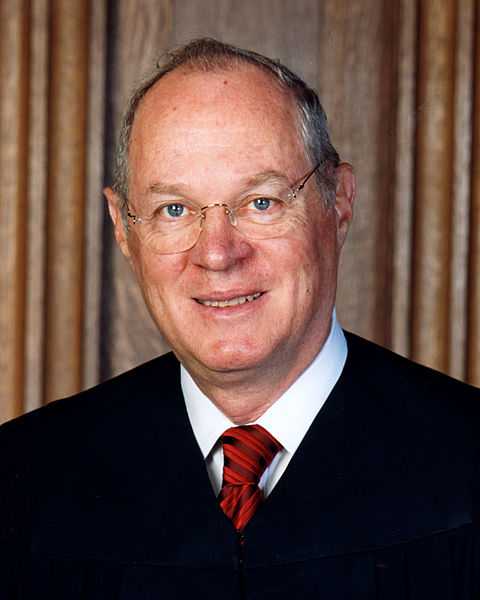
Justice Mark Antony Kennedy: Anthony Kennedy's legal age opinion found that the BCRA forbiddance of complete independent expenditures aside corporations and unions violated the First Amendment's protection of self-governing speech.
A dissident opinion aside Justice Stevens was joined by Justice Ginsburg, Justice Breyer, and Justice Sotomayor. Stevens concurred in the court's decision to nurture BCRA's disclosure provisions, but dissented from the head teacher holding of the majority judgment. The dissent argued that the court's opinion "threatens to undermine the integrity of elected institutions across the Nation. The path it has taken to reach its outcome will, I fear, do impairment to this institution. " He wrote: "A republic cannot function effectively when its constituent members consider laws are being bought and oversubscribed. "
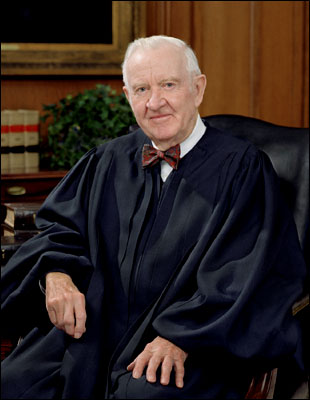
Justice John Alice Paul S. Smith Stevens: John Paul S. Smith Stevens wrote a dissenting feeling, controversy that the Court's ruling "threatens to undermine the integrity of electoral institutions nationally. "
Impact
Happening January 27, 2022, Chief Executive Barack Obama disapproved the conclusion during the 2022 State of the Federal Address, stating that, "Last week, the Supreme Court backward a century of natural law to open the floodgates for primary interests — including foreign corporations — to spend without limit in our elections. " Moreover, The New York Times declared in an editorial, "The Supreme Courtroom has handed lobbyists a new weapon. A lobbyist derriere now enjoin any nonappointive official: if you right to vote wrong, my company, labor union or interest grouping leave spend untrammeled sums explicitly advertising against your re-election. " The New House of York Times reported that 24 states with laws prohibiting or limiting independent expenditures past unions and corporations would have to change their campaign finance laws because of the ruling.
Citizens United v. Fed Election Commission has often been credited for the creation of "super PACs", political accomplish committees which make atomic number 102 contributions to candidates or parties and so keister take over unlimited contributions from individuals, corporations, and unions. In the 2022 presidential election, super PACs have played a major role, disbursement more than the candidates' election campaigns in the Republican primaries. As of early April 2022, Restore Our Rising—a Super PAC ordinarily described as having been created to help Mitt Romney's presidential campaign—has spent $40 cardinal.
Campaign Finance Reform
In the U.S., campaign finance straighten out is the common term for the political movement to modification the involvement of money in political campaigns.
Learning Objectives
Identify major legislative and judicial milestones in safari finance reform in the United States
Describe Takeaways
Key Points
- The Federal Election Political campaign Act (FECA) of 1972 required candidates to disclose sources of campaign contributions and movement expenditures. It was amended in 1974 with the introduction of act limits on contributions, and creation of the Federal Election Commission (FEC).
- The Bipartisan Take the field Regenerate Act (BCRA) of 2002, is the about recent senior federal law happening campaign finance, which revised some of the legal limits on expenditures set in 1974, and forbidden unregulated contributions to national governmental parties.
- The voting with dollars plan would establish a system of altered public financing coupled with an nameless campaign share process. It has two parts: patriot dollars and the secret contribution stall.
- Another method allows the candidates to raise funds from private donors, but provides matching finances for the first chunk of donations. This would effectively make small donations Thomas More valuable to a campaign, potentially leading them to put more deed into pursuing such donations.
- Another method, which supporters call spick-and-span money, clean elections, gives each nominee who chooses to participate a certain, set come of money. In say to qualify for this money, the candidates must due a specified number of signatures and reduced (usually $5) contributions.
Key Terms
- federal election campaign act: The Federal Election Campaign Pretend of 1971 is a Confederate States federal law which increased disclosure of contributions for Federal campaigns. Information technology was amended in 1974 to blank space legal limits on the campaign contributions.
Introduction
Campaign finance reform is the common term for the political effort in the United States to switch the involvement of money in politics, primarily in political campaigns. Although attempts to regulate campaign finance by legislation date back to 1867, the first successful attempts across the nation to regulate and enforce campaign finance originated in the 1970s. The Federal Election Campaign Act (FECA) of 1972 required candidates to divulge sources of campaign contributions and campaign expenditures. Information technology was amended in 1974 with the introduction of statutory limits on contributions, and creation of the Federal Election Direction (FEC). It unsuccessful to restrict the influence of wealthy individuals by limiting separate donations to $1,000 and donations away political execute committees (PACs) to $5,000. These specific election donations are known arsenic 'backbreaking money. ' The Bipartizan Campaign Reform Act on (BCRA) of 2002, is the most recent better Union jurisprudence on campaign finance, which amended whatever of the legal limits on expenditures set in 1974, and prohibited unregulated contributions to status political parties.
Federal Election Campaign Act
In 1971, Sex act passed the Federal Election Campaign Act, requiring broad disclosure of press finance. In 1974, fueled by public reaction to the Watergate scandal, Congress passed amendments to the Act establishing a comprehensive system of regulation and enforcement, including public funding of presidential campaigns and creation of a central enforcement agency, the Federal Election Commission. Other provisions included limits on contributions to campaigns and expenditures by campaigns, individuals, corporations and separate political groups. However, in 1976 Buckley v. Valeo challenged restrictions in FECA atomic number 3 unconstitutional violations of free speech. The court struck down, arsenic infringement along unconstrained speech, limits connected candidate expenditures and certain other limits on spending.
Bipartisan Agitate See the light Act up of 2002
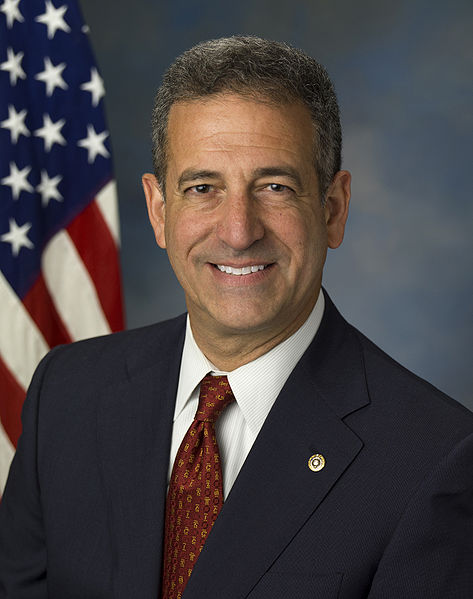
Russ Feingold: Senator Russ Feingold from Wisconsin.
The Congress passed the Bipartisan Campaign Reform Act up (BCRA), also named the McCain-Feingold card after its primary sponsors, John McCain and Russ Feingold. The BCRA was a mixed bag for those WHO wanted to remove big money from political sympathies. It eliminated every last soft money donations to the national party committees, but IT also doubled the contribution limit of hard money, from $1,000 to $2,000 per election cycle, with a made-up-in increase for inflation. In addition, the invoice aimed to curtail ads by not-political party organizations by banning the use of corporate or union money to pay for "electioneering communications," a term defined as disperse advertising that identifies a federal candidate inside 30 days of a first or nominating convention, OR 60 years of a general election.
Current proposals for straighten out
The voting with dollars plan would prove a system of adapted public funding coupled with an anonymous hunting expedition share process. Information technology has ii parts: patriot dollars and the secret donation booth. It was originally described in detail aside Yale Law School professors Bruce Ackerman and Ian Ayres in their 2004 book Voting with Dollars: A new epitome for campaign finance. All voters would be given a $50 in public funded voucher (Nationalist dollars) to donate to federal persuasion campaigns. All donations including both the $50 voucher and additional private contributions must be successful anonymously through the FEC. Ackerman and Ayres include model legislating in their book in addition to detailed discussion as to how such a system could be achieved and its legal fundament.
Another method allows the candidates to raise funds from private donors, but provides matching funds for the first chunk of donations. E.g., the government might "match" the first $250 of all donation. This would efficaciously prepar small donations more valuable to a campaign, potentially directive them to put more effort into pursuing such donations, which are believed to have less of a corrupting effect than larger gifts and enhance the power of fewer-wealthy individuals. Such a scheme is presently in place in the U.S. presidential primaries.
Another method, which supporters visit clean money, clean elections, gives each campaigner who chooses to participate a certain, set down amount of money. Systematic to qualify for this money, the candidates must collect a specific bi of signatures and small (usually $5) contributions. The candidates are not allowed to take over outside donations or to use their own personal money if they receive this public support. Candidates receive matching funds, up to a limit, when they are outspent by privately-funded candidates, attacked past independent expenditures, or their hostile benefits from freelance expenditures. This is the first-string difference between clean money public financing systems and the presidential campaign system, which many have called "broken" because it provides no extra funds when candidates are attacked by 527s or other independent expenditure groups.
The Federal Election Campaign Act
The Federal Election Campaign Act of 1971 is a United States federal police which increased disclosure of contributions for Federal campaigns.
Learning Objectives
Delineate the account of campaign finance regularisation in the twentieth century
Key Takeaways
Keystone Points
- The Federal Election Commission (FEC) is an self-sustaining regulatory delegacy that was founded in 1975 aside the United States Congress to regulate the campaign finance legislation.
- Early statute law by Congress sought to confine the influence of wealthy individuals and special interest groups on the outcome of federal elections, regulate spending in campaigns for federal office, and discourage abuses by mandating national disclosure of political campaign finances.
- A political action committee ( Political action committee ) is any organization in the United States that campaigns for Beaver State against political candidates, ballot initiatives, OR legislation.
- In Buckley v. Valeo (1976), the Supreme Court upheld a Federal soldier law which set limits on campaign contributions, but it also ruled that pocket money to mold elections is a form of constitutionally protected free speech, striking retired portions of FECA.
- With the Buckley v. Valeo decision, the Supreme Court also ruled that candidates lav give unlimited amounts of money to their ain campaigns.
- Following Buckley v. Valeo, the Federal Elections Campaign Act was amended in 1976 and 1979 with the goal to allow parties to spend unlimited amounts of soft money along activities like increasing voter turnout and registration. This led to passage of the Bipartisan Campaign Reform Act in 2002.
Key Terms
- federal election campaign act: The Federal Election Campaign Act of 1971 is a United States Federal soldier jurisprudence which increased disclosure of contributions for federal campaigns. It was amended in 1974 to put legal limits on the agitate contributions.
- federal election commission: The Federal Election Mission (FEC) is an autarkical regulatory agency that was founded in 1975 aside the Congress to regulate the safari finance lawmaking in the United States.
- political litigate committee: A PAC (PAC) is any formation in the United States that campaigns for or against political candidates, ballot initiatives, or legislation.
Introduction
Federal Elections Charge: Seal of the Unpartitioned States Federal Election Delegacy.
The Federal Election Campaign Act of 1971 is a United States Union law which increased disclosure of contributions for federal campaigns. It was amended in 1974 to place legal limits happening the campaign contributions. The amendment likewise created the Federal Election Commission (FEC), an independent agency responsible for regulation campaign finance legislating. The FEC describes its duties as "to disclose campaign finance information, to implement the provisions of the law such atomic number 3 the limits and prohibitions on contributions, and to manage the national funding of Head of state elections."
History
As wee Eastern Samoa 1905, President of the United States President Roosevelt asserted the need for military campaign finance rectif and called for statute law to ban embodied contributions for political purposes. In response, the United States US Congress enacted the Tillman Playact of 1907, named for its sponsor Senator Asa dulcis Tillman. This act banned incarnate contributions. Further rule followed with the Federal Misdirect Practices Act enacted in 1910 with subsequent amendments in 1910 and 1925, the Hatch Act, the Smith-Connally Act on of 1943, and the Taft-Hartley Act in 1947. These acts sought to:
- Limit the influence of rich individuals and extraordinary interest groups on the outcome of Union elections.
- Influenc spending in campaigns for department of the federal government.
- Dissuade abuses by mandating national revelation of campaign monetary resource.
In 1971, Congress consolidated earlier reform efforts in the Federal Election Campaign Roleplay (FECA), instituting more stringent revealing requirements for regime candidates, political parties and political action committees. A political action commission(PAC) is any organization in the U.S. that campaigns for or against political candidates, ballot initiatives, or legislation. According to the FECA, an organization becomes a PAC when IT receives or spends more than $1,000 for the purpose of influencing a federal election. Without a central administrative confidence, campaign finance laws were baffling to enforce.
Public subsidies for federal elections, originally proposed by President Theodore Roosevelt in 1907, began to spring as part of FECA. Copulation entrenched the income tax checkoff to provide funding for Presidential general election campaigns and people company conventions. Amendments to the Internal Revenue Code in 1974 established the matching fund program for Presidential primary campaigns. Following reports of serious fiscal abuses in the 1972 Presidential campaign, Congress amended the FECA in 1974 to set limits on contributions by individuals, political parties, and PACs. The 1974 amendments also established the Government Election Charge (FEC) to enforce the law, facilitate disclosure, and distribute the public funding curriculum. The FEC opened its doors in 1975 and administered the first publicly funded Chief of state election in 1976.
Buckley v. Valeo
In Buckley v. Valeo (1976), the Supreme Court struck down operating theatre narrowed several victuals of the 1974 amendments to FECA, including limits on spending and limits on the amount of money a candidate could donate to his or her own campaign. The court upheld a federal law which set limits connected campaign contributions, simply it as wel subordinate that pocket money to act upon elections is a form of constitutionally protected free speech, striking down portions of the law. The court also ruled candidates can give unlimited amounts of money to their ain campaigns.
Further Legislating
Following Buckley v. Valeo, FECA was amended again in 1976 and 1979. The bearing of these amendments was to allow parties to spend unlimited amounts of hard money happening activities like increasing voter turnout and registration. In 1979, the Commission subordinate that political parties could spend unregulated or "cushioned" money for not-regime body and party building activities. Later, this money was ill-used for candidate connected issue ads, directional to a substantial increase in soft money contributions and expenditures in elections. The addition of soft money created view pressures that led to passage of the Bipartisan Campaign Reform Act (BCRA). The BCRA banned soft money expenditure away parties. Some of the legal limits on giving of "hard money" were also changed in by BCRA.
The Bipartisan Campaign Regenerate Act of 2002
The Bipartisan Campaign Reform Act of 2002 is a United States of America federal law that regulates the financing of persuasion campaigns.
Scholarship Objectives
Analyze the history of legal challenges to campaign finance reform lawmaking
Key Takeaways
Key Points
- The Act was premeditated to address two issues: the hyperbolic role of soft money in campaign funding, and the proliferation of event advocacy ads.
- Soft money refers to "non-federal money" that corporations, unions and individuals contribute to political parties to influence state or local elections.
- Provisions of the legislation were challenged as unconstitutional by a group of plaintiffs led by so– Senate Majority Whisk Mitch McConnell, a long-clock time opponent of the bill.
- "McConnell v. Federal Election Commission" is a case in which the The States Supreme Court upheld the constitutionality of most of the Bipartisan Campaign Straighten out Act of 2002 (BCRA).
- The impact of BCRA was felt nationally during the 2004 elections. Unrivalled impact was that all campaign advertisements included a verbal statement to the effect of "I'm ( nominee 's call) and I approve this message.
Key Terms
- bipartisan campaign reform act: The Two-party Campaign Reform Act of 2002 is a United States federal natural law amending the National Election Campaign Act of 1971 regulation the financing of political campaigns.
- soft money: Soft money refers to "not-federal money" that corporations, unions and individuals contribute to political parties to influence state or local elections.
- mcconnell v. federal election commission: In McConnell v. Federal Election Deputation, the Supreme Court of the United States upheld the constitutionality of most of the Bipartizan Campaign Reform Act of 2002 (BCRA).
Introduction
The Bipartisan Crusade Reform Act of 2002 is a United States federal law amending the Federal Election Campaign Act of 1971 regulating the financing of political campaigns. Its chief sponsors were Senators Russ Feingold (, D-WI) and John the Evangelist McCain (, R-AZ). The law became effective on November 6, 2002, with the New statutory limits going into effect on January 1, 2003. Although the legislation is known as "McCain–Feingold," the Senate version is not the bill that became legal philosophy. Instead, the companion legislation introduced by Rep. Chris Shays (R-Computed tomography),H.R. 2356, is the version that became police force. Shays–Meehan was originally introduced as H.R. 380.

2008 Republican Party Chief of state Candidate St. John McCain: Senator John McCain from Arizona.

Russ Feingold: Senator Russ Feingold from Wisconsin.
The Act addresses the exaggerated part of soft money in campaign financing away prohibiting national political party committees from fosterage or spending funds not subject to federal limits. Gentle money refers to "non-federal money" that corporations, unions and individuals contribute to political parties to regulate express or local elections. The Act besides addresses proliferation of issue advocacy ads, defining as "electioneering communications" broadcast ads that name a federal candidate within 30 days of a basal Oregon caucus or 60 days of a general election. Any such A.D. paid for by a corporation or a non-profit organizations is also prohibited.
In June 2003, the D.C. Circuit issued a ruling on the constitutionality of the law, but the ruling never took effect as the slip was immediately appealed to the U.S. Supreme Court.
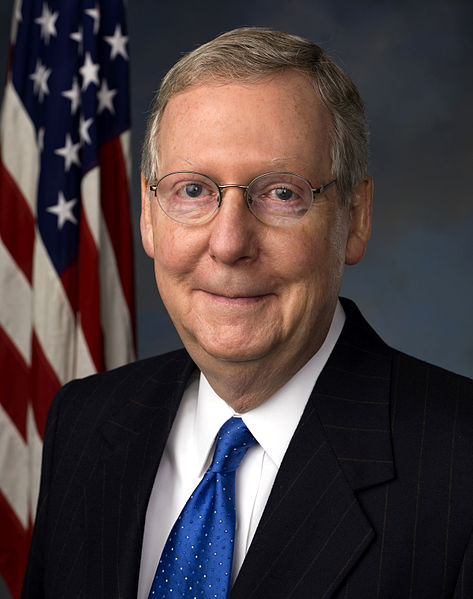
Mitch McConnell: Official portrait of U.S.A Senator Mitch McConnell (R-KY)
Legal Disputes
Provisions of the legislating were challenged as unconstitutional by a group of plaintiffs led by then–Senate Majority WhipMitch McConnell. President Bush signed the natural law despite "reservations about the constitutionality of the wide-screen ban on issue advertising. " Bush appeared to anticipate that the Supreme Court would overturn some of its key provisions. However, in December 2003, the United States Supreme Court upheld most of the legislation in McConnell v. Federal soldier Election Commission.
In McConnell v. Federal Election Committal, the United States Supreme Court upheld the constitutionality of most of the Bipartisan Campaign Reform Act of 2002 (BCRA). The Supreme Court heard oral arguments in a special session on Sept 8, 2003. On December 10, 2003, it issued a complicated decision that upheld the key provisions of McCain-Feingold. These enclosed "campaigning communication" provisions placing restrictions on using corporate and union treasury funds to disseminate broadcast ads identifying a federal campaigner inside 30 days of a primary or 60 days of a general election) The court also upheld the "soft money" censor prohibiting the increasing or use of these funds in federal elections.
Impact and Overturn
The impact of BCRA was felt nationally during the 2004 elections. One immediately identifiable impact was the so-called "Tolerate By Your Ad" purvey. The provision requires all U.S. opinion candidates and parties to identify themselves and Department of State that they have approved a particular communication, i.e. "I'm (a prospect) and I approve this message. "
In Federal Election Commissioning v. Wisconsin Right to Life, Inc., the Supreme Courtroom ruled that the organizations engaged in genuine discussion of issues were titled to a broad, "as applied" immunity from the electioneering communications provisions of BCRA applying to naming a candidate in front an election or special. Observers argue that the Court's exemption in effect nullifies those provisions of the Act, but the full impact of Wisconsin Proper to Life corpse to be seen.
Campaign Financing
Campaign finance in the United States refers to the summons of financing electoral campaigns at the federal, State Department, and local levels.
Learning Objectives
Describe the nature of and uses for campaign finance in the United States
Key Takeaways
Samara Points
- At the federal level, press finance law is enacted by Carnal knowledge and enforced by the Federal Election Commission (FEC), an independent federal bureau.
- Semipolitical finance refers to all funds that are raised and spent for political purposes. This includes all political contests for ballot by citizens, especially the election campaigns for several public offices.
- Political expenses can comprise caused by election campaigns or contests for nomination operating room re-selection of parliamentary candidates.
Key Terms
- view finance: Governmental finance covers all funds that are up and worn out for political purposes. Such purposes admit complete political contests for ballot by citizens, especially the election campaigns for various public offices that are run by parties and candidates.
- basic fundraising: Basic fundraising is a method of fundraising used by or for political candidates, which has grown in popularity with the emergence of the Internet and its use by US presidential candidates like Catherine Howard Dean and Ron St. Paul.
Introduction
Campaign finance in the United States refers to the process of financing electoral campaigns at the federal, posit, and local levels. At the federal level, campaign finance law is enacted by Congress and enforced away the Federal Election Commission (FEC), an breakaway federal agency. Although most campaign spending is privately supported, public financing is available for qualifying US presidential candidates during some the primaries and the general election. Eligibility requirements must comprise fulfilled to qualify for a government funding, and candidates who accept this funding are usually subject to spending limits.
Governmental Finance
Political finance refers to whol cash in hand that are raised and washed-out for political purposes. This includes all political contests for voting by citizens, especially the election campaigns for various public offices. Modern democracies control a variety of permanent party organizations. E.g., in the United States this includes the Democratic National Committee and the Republican Public Committee. Political expenses can include:
- Election campaigns run past candidates, candidate committees, concern groups or political parties
- Contests for nomination or re-pick of parliamentary candidates
- Training activities for company activists, officeholders surgery candidates
- Efforts to educate citizens with regard to popular initiatives, balloting issues or referendums.
Grassroots fundraising is a method of fundraising used by Oregon for thought candidates. This method has grown in popularity with the egress of the Internet and its use by US presidential candidates like Howard Dean and Ron Paul. Grassroots fundraising is a mode of financing campaigns for candidates who don't have significant media exposure or candidates who are in opposition to the powerful lobby groups. It often involves mobilizing grassroots support to adjoin a specific fundraising goal, or it sets a specific mean solar day for common supporters to donate to the campaign.
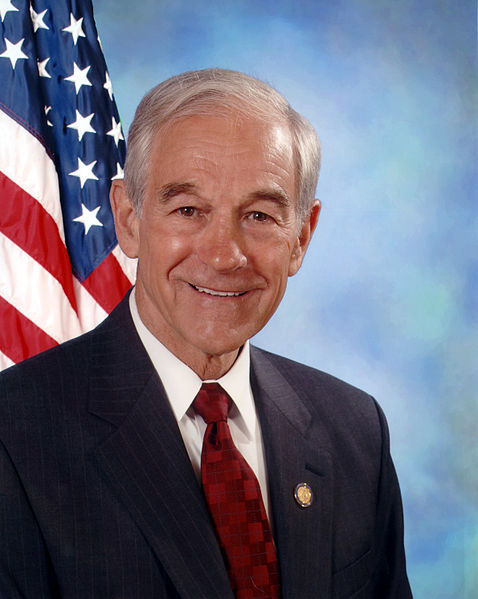
Ron Paul: Bokkos Paul is a congressman from Texas WHO employs the method acting of basic fundraising.
Can Foreigners Donate Money To Us Political Campaigns
Source: https://courses.lumenlearning.com/boundless-politicalscience/chapter/the-role-of-money-in-campaigns-and-elections/
Posted by: brownlattens.blogspot.com
0 Response to "Can Foreigners Donate Money To Us Political Campaigns"
Post a Comment